
Travera
A travel companion designed to help women explore unfamiliar places with greater confidence, comfort, and peace of mind.
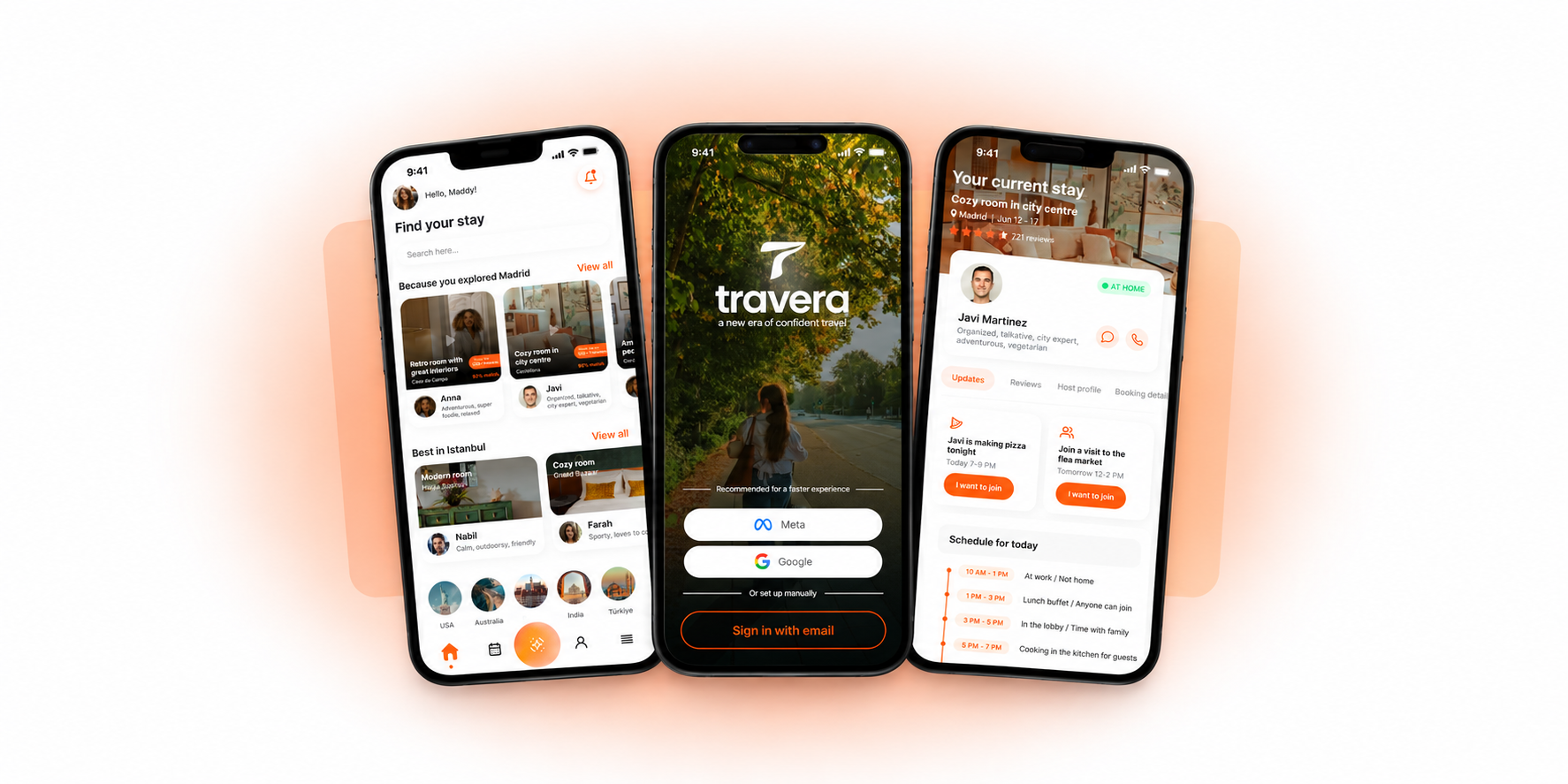
February 2026 – May 2026
Intercurricular Group Project
Università Cattolica del Sacro Cuore & Politecnico di Milano · Milan, Italy
Tools used
Miro · Figma · Google Forms
A travel companion for solo female travelers
Travera is a travel companion designed to help women explore unfamiliar places with greater confidence, comfort, and peace of mind.
Overview
Research &
insights
Understanding the shared-stay experience
Through desk research, semi-structured interviews, and intercept interviews, we identified the topics and recurring situations that shaped the shared-stay experience.
We organized these findings into four key areas: communication, trust, culture, and presence. We connected the insights from these areas to the broader feeling of safety within the shared-stay experience.
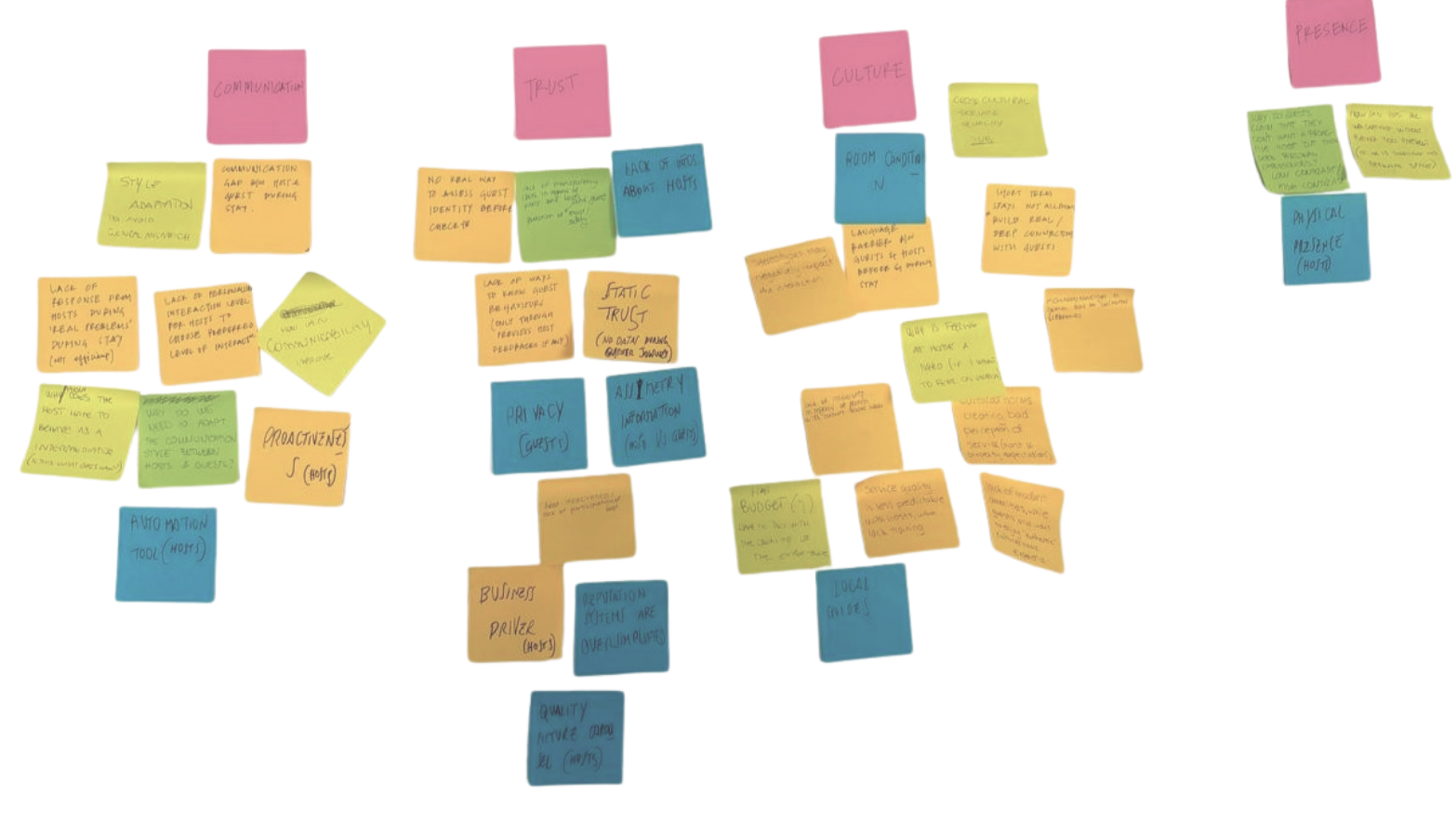
Affinity mapping of recurring themes from our research.
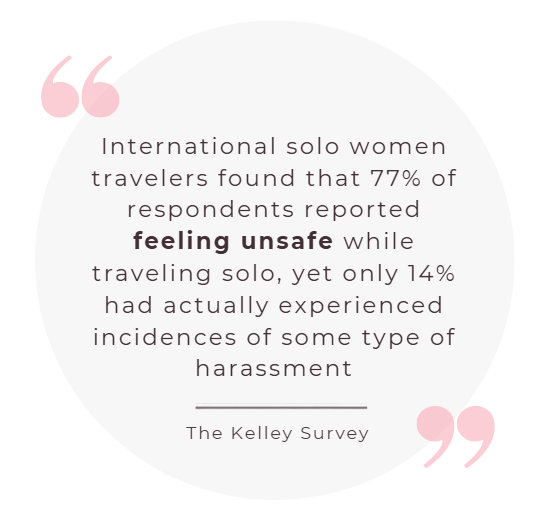
Safety is not only about what happens — it is also about what we don't know.
This gap suggested that the challenge is not only about actual safety, but also about uncertainty and perceived lack of control.
For women staying in shared accommodation, not knowing what to expect from a host, the living environment, or social boundaries can create anxiety, discomfort, and pressure to people-please.
The problem
How might we transform fragmented news exposure into manageable, contextual experiences that encourage deeper understanding of fewer, more relevant stories?
Our goal
Scope &
constraints
The challenge
We faced the challenge of giving hosts a reason to adopt Travera alongside existing accommodation platforms, without adding more work to the hosting experience.
Our response
We reduced friction by using the AI companion to organize and communicate information for guests, minimizing host involvement while offering support that traditional accommodation platforms do not provide.
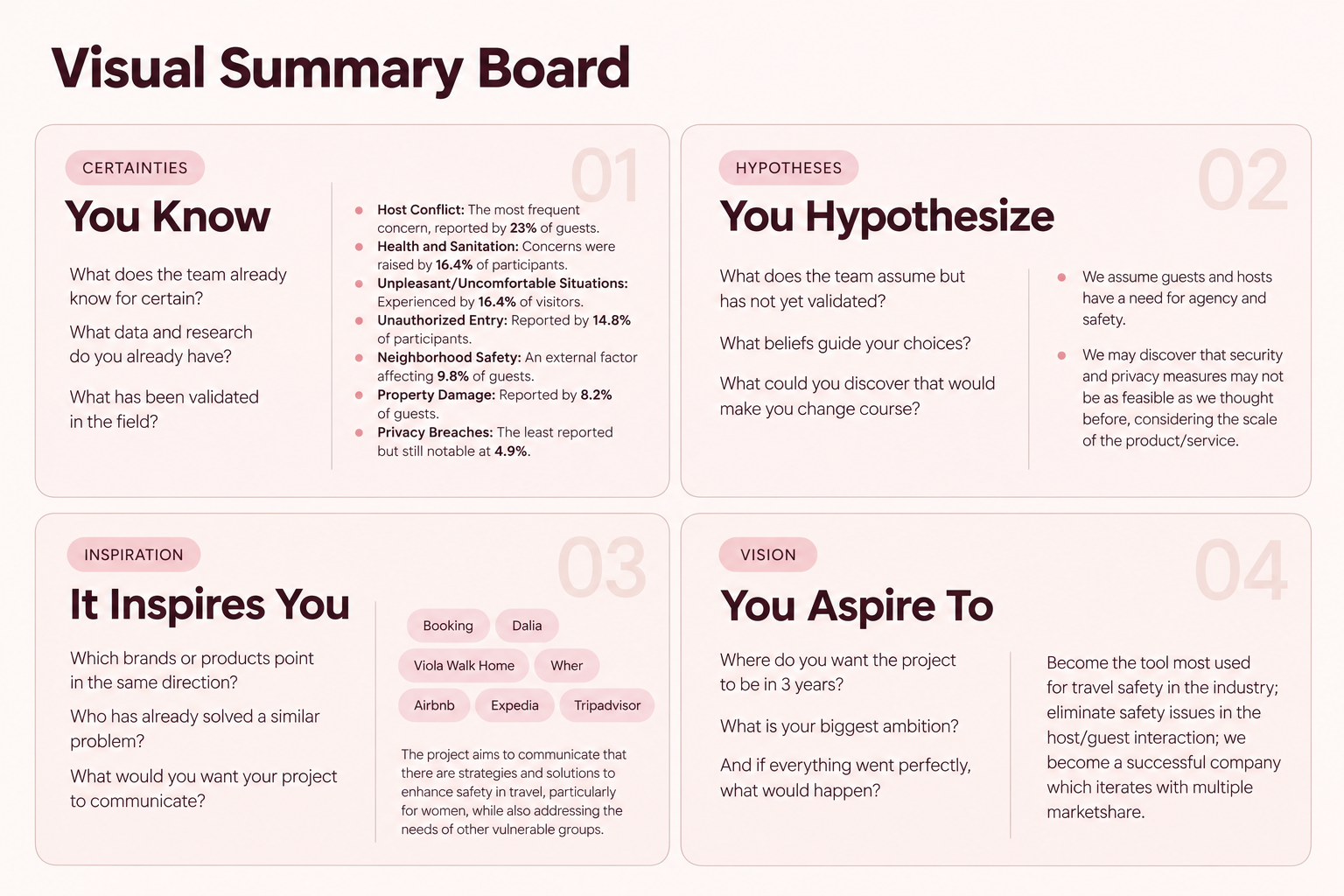
We brought together what we already knew, our assumptions, sources of inspiration, and our vision for Travera to establish a shared direction for the project.
The board helped us distinguish between what had already been validated, what we still needed to explore, what inspired the concept, and what we ultimately wanted Travera to become.
Visual
Summary
Board
Design
process
Translating the needs of solo female travelers into Travera's core feature
01
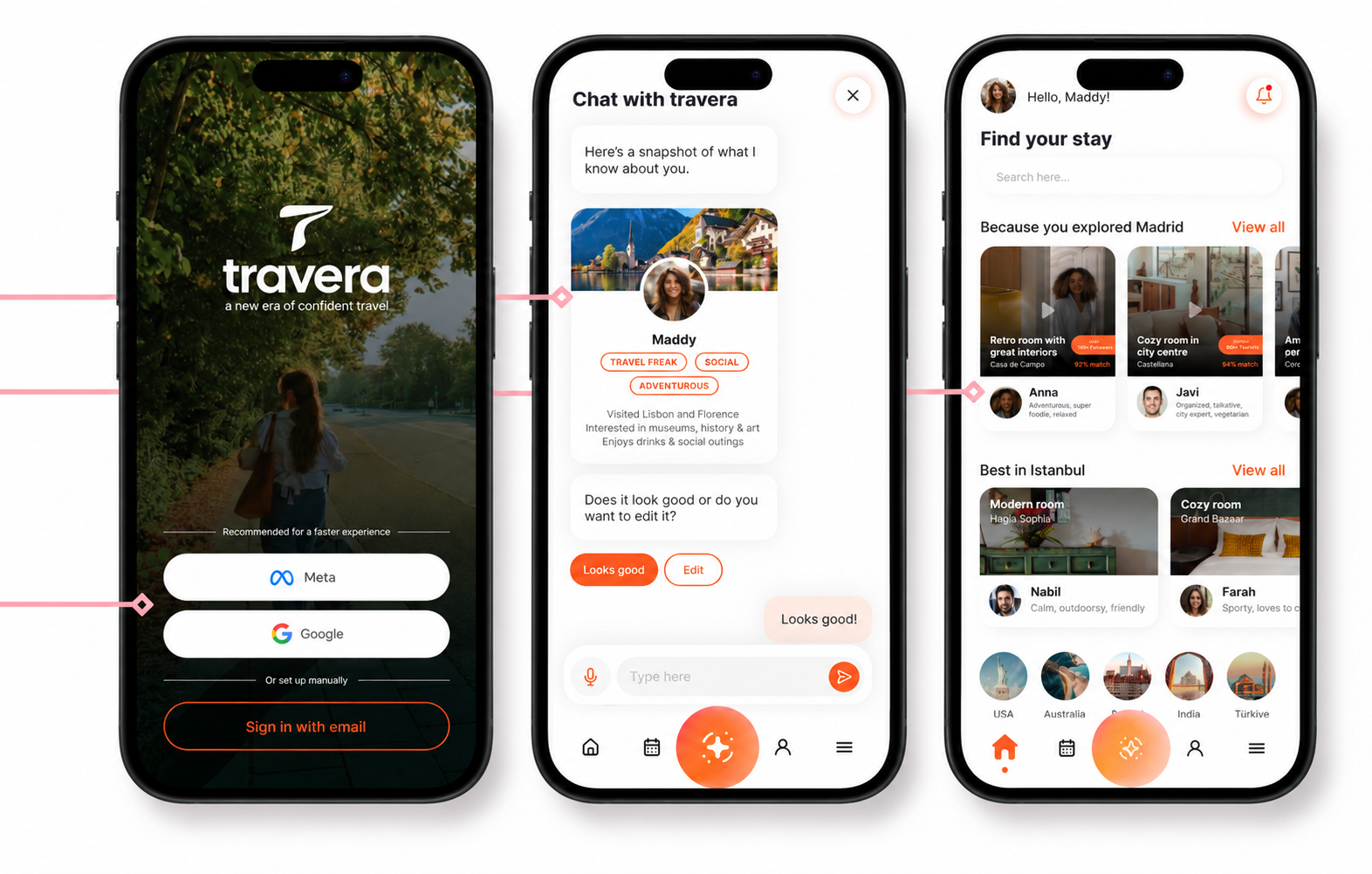
Personality matching
By signing in through Meta or Google, Travera uses available profile data to create the user's onboarding profile, which the AI then uses to recommend more compatible host–guest matches, reducing uncertainty around values and lifestyle differences.
02
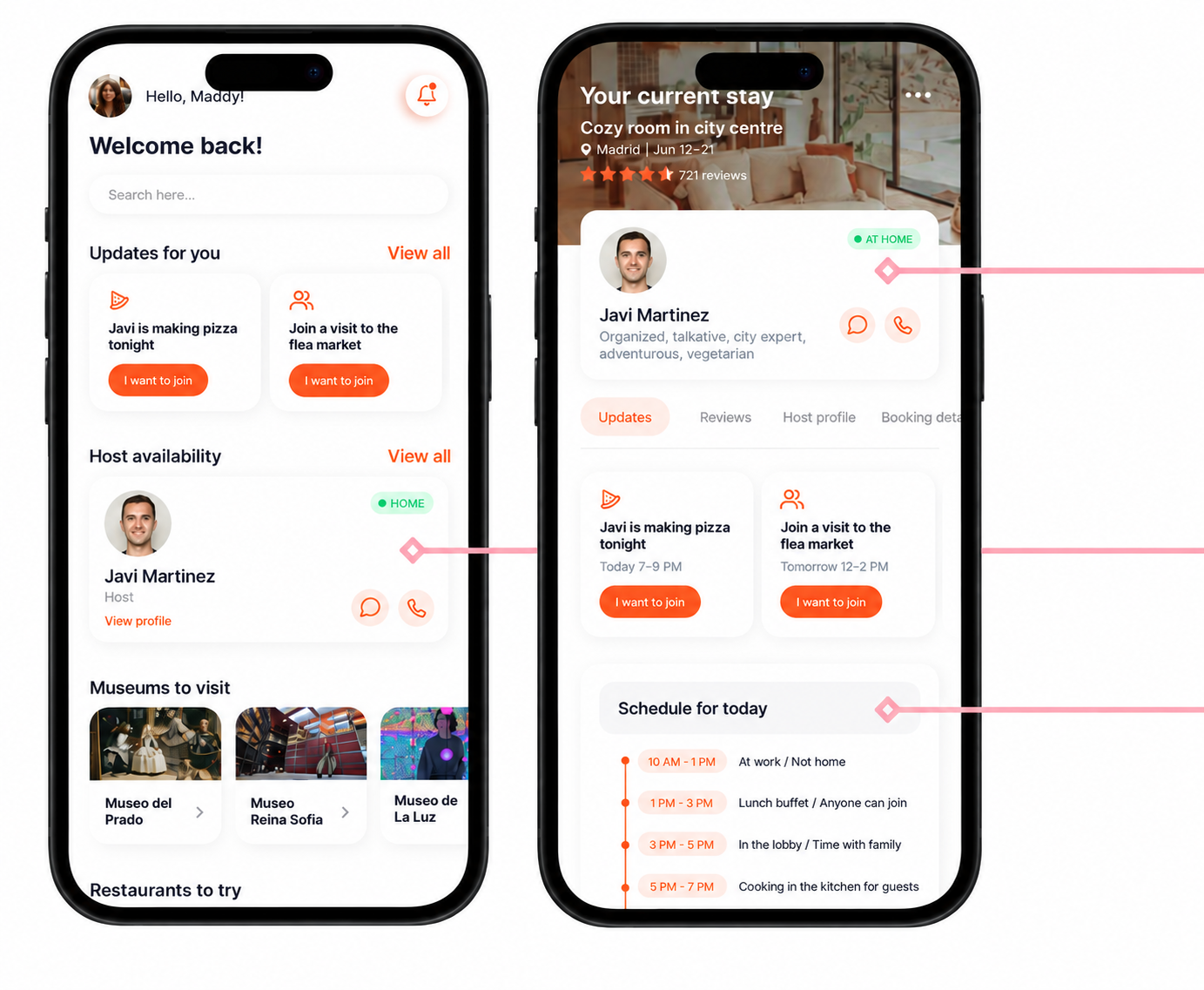
Host schedule & presence
Our research showed that guests felt more comfortable with greater control and predictability in the shared space.
In response, we designed an editable host schedule and live presence status, helping guests plan around the host's presence while preserving the host's flexibility.
03
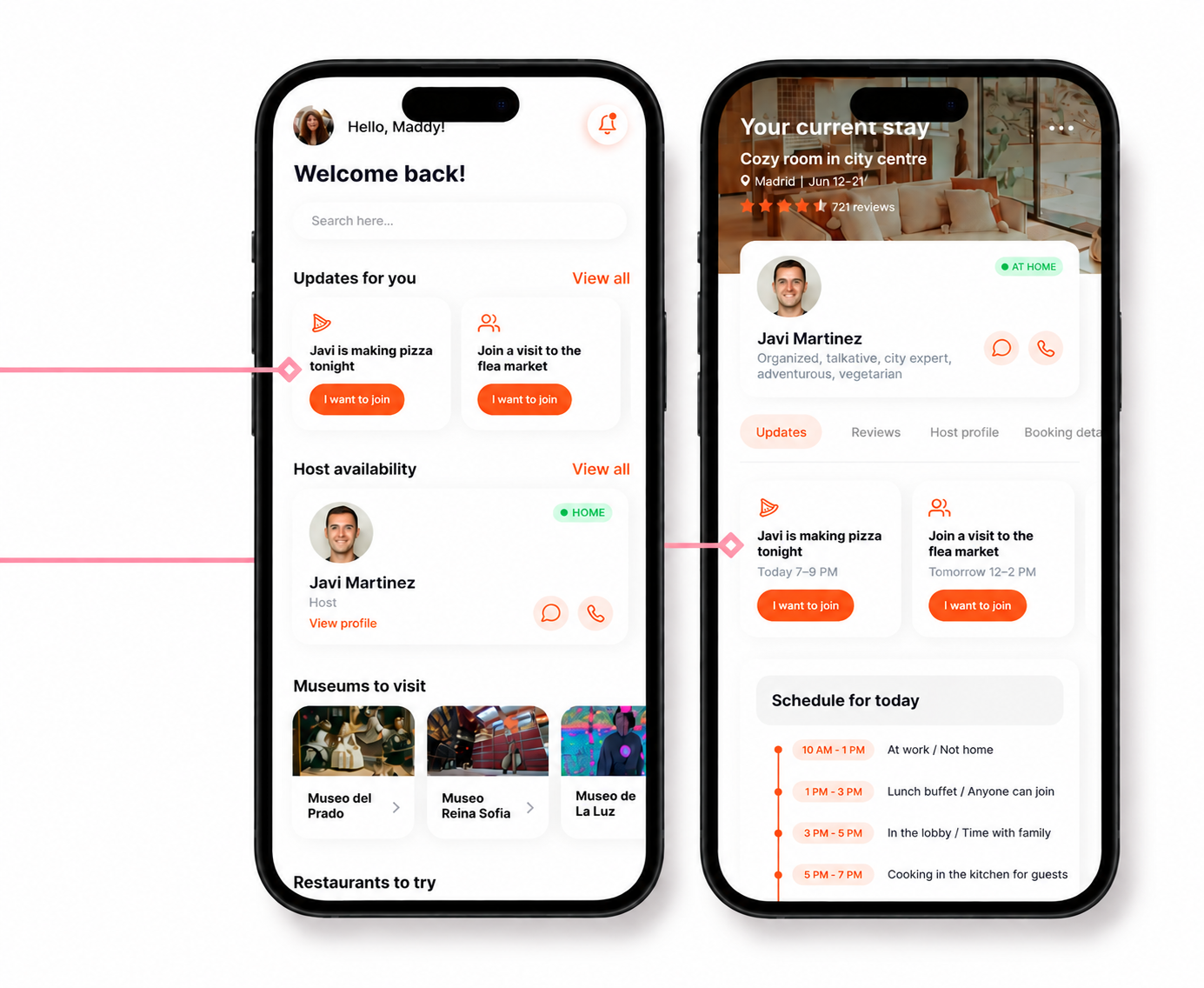
Social signals
Social boundaries emerged as an important part of the shared-stay experience.
This led us to create a way for guests and hosts to share optional plans and activities, making it easier to socialize when they want to, while also giving them space when they do not, without requiring an explicit invitation or rejection.
04
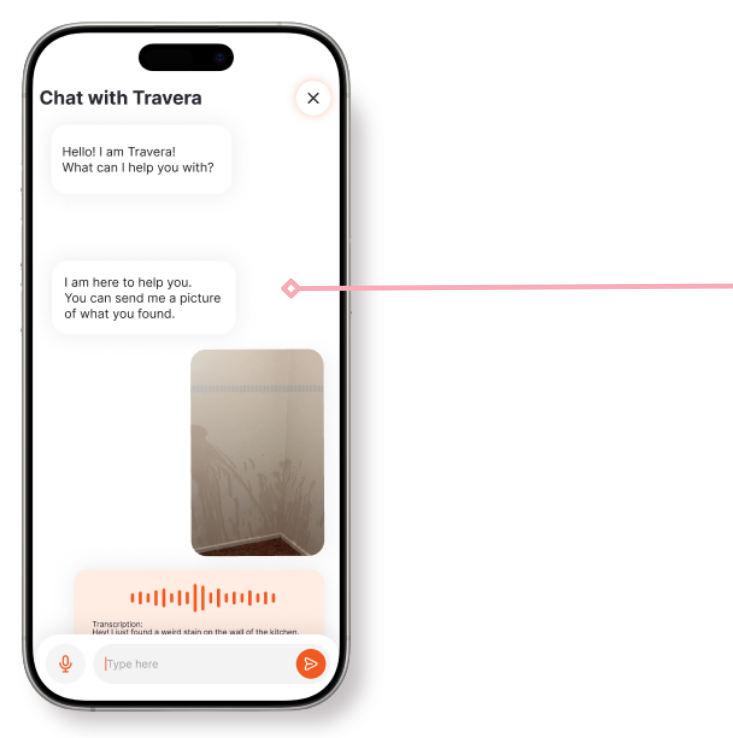
Context-aware AI companion
Unfamiliar situations can create uncertainty, especially when the host is not available to help.
To reduce this uncertainty, we integrated an AI companion that provides immediate guidance based on information from the host and previous stays, helping guests understand and navigate situations in the home independently.
Making the unknown feel more manageable
Travera turned an insight about perceived safety into a design opportunity around predictability, boundaries, and control.
What started as a question of “How can we make women feel safer while traveling?” evolved into a service designed to make the unknown feel more manageable before it becomes uncomfortable.
The result
Simona Naumoska · Francesca Dalpi · Simone Rinaldo · Kemal Okudo · Reetika Patel · Veronika Koroleva
My contribution:
I contributed across primary and secondary research, opportunity identification, prototyping, and usability testing.
I also brought an inclusive design perspective, considering how Travera could become more accessible to women with different needs and abilities.
The team
Thank you for exploring my work! :)